
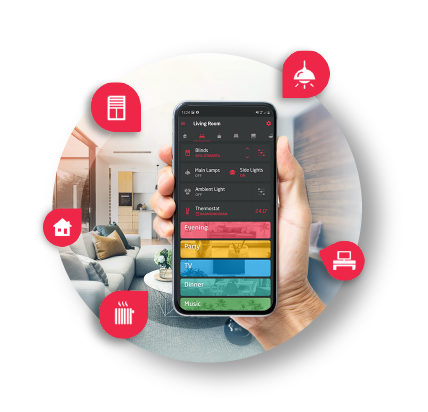
Home automation has transformed the way we interact with our living spaces, merging technology with day-to-day convenience. Simply put, it's about using smart devices to control various features in our homes, from lighting and temperature to security systems and appliances. This technology not only enhances comfort but also offers greater efficiency and energy savings.
What is Home Automation?
Home automation involves connecting smart devices to a central hub or a smartphone app, allowing you to control them remotely. This could be as simple as turning on lights using your smartphone or as sophisticated as programming your home to adjust the heating and cooling automatically based on your preferences.
Benefits of Home Automation
- Convenience: Home automation allows you to control multiple devices from one interface. Imagine walking into your home, and lighting starts to fade on, the thermostat adjusts, and your favorite playlist begins to play—all with just a tap or voice command.
- Energy Efficiency: Smart thermostats and energy-efficient lighting systems help you save on utility bills. These devices can optimize energy usage by learning your habits and preferences.
- Enhanced Security: Automated security systems can monitor your home in real-time. You can receive alerts about unusual activity, view live footage from security cameras, and even control locks remotely via your smartphone.
- Peace of Mind: Knowing you can check in on your home while you're away adds a layer of reassurance. Whether it’s ensuring the doors are locked or that the appliances are off, home automation offers peace of mind.
- Customization: Personalized automation systems can be designed to fit your lifestyle. You can create routines, such as setting a “goodbye” scene that will turn off all the lights and lock the doors when you leave home.
Key Components of Home Automation
- Smart Hubs: These devices act as a central controller for all your smart gadgets. Popular options include Amazon Echo, Google Nest Hub, and SmartThings.
- Smart Lighting: Products like Philips Hue or LIFX allow you to control your home’s lighting remotely. You can change colors, adjust brightness, and set schedules.
- Smart Thermostats: Devices like Nest Learning Thermostat or Ecobee help manage your home’s heating and cooling systems intelligently, learning your preferences over time.
- Smart Security: This includes doorbell cameras, motion sensors, and smart locks, which can be integrated for comprehensive home security.
- Smart Appliances: Many modern appliances like refrigerators, ovens, and washing machines can now connect to Wi-Fi, enabling remote control and monitoring.
Getting Started with Home Automation
Starting your home automation journey can be straightforward. Here are a few steps to guide you:
- Identify Your Needs: Determine which aspects of your home you want to automate first—security, lighting, temperature, or entertainment.
- Choose a Hub: Select a smart hub that is compatible with the devices you are interested in. Research different ecosystems, such as Amazon Alexa, Google Assistant, or Apple HomeKit.
- Start with One Device: Begin with a single device, such as a smart bulb or thermostat, and get comfortable with it before expanding your system.
- Explore Integration: Once you have a few devices, experiment with creating routines and automations to see how you can simplify your life.
- Expand Gradually: As you become familiar with the technology, continue to add devices that suit your needs, keeping compatibility in mind.
Conclusion
Home automation offers a wealth of benefits that can simplify and enhance your daily life. With the right devices and a bit of planning, you can create a smart home tailored to your preferences. Embrace the future of living, where convenience, efficiency, and peace of mind are just a touch or voice command away.
For those interested in diving deeper into home automation, consider researching specific products that may fit your lifestyle, or exploring community forums for user experiences and recommendations. Happy automating!